

I’m skincare-happy and beauty treatment-inclined, but lately I’ve been afraid of starting to look like everyone else. My social media scrolling doesn’t help. I see a lot of the same full lips, snatched jawlines and slim face shapes. They look nice, and compelling. But it’s still a strange and slightly dystopian fear that we all start to look the same.
For me, it’s translated into a lot of caution in my treatment planning. There are parts of my face I’ve committed to not touching in my 30’s. But experiencing different consults, and different consult styles, opened some cracks I didn’t know were there. One of my providers made a comment in a consult that got me over the filler hump that day: they’ll look like your lips, just ten years ago.
I wanted to reflect on that “aha” and how it jives with what I learn working in aesthetics. What I see under the hood is that the best providers aren’t working from a template of what’s beautiful and re-creating the “look”. They’re working from a framework that’s been taught in plastic surgery for decades. It starts with dividing the face into thirds.
The Rule of Thirds
I met the plastic surgeon that leads SkinSpirit’s medical team when I was the training subject (I volunteered). It was an up close and personal way to experience how he analyzes facial features and teaches others to do so. The topic was jawlines (his specialty, given he was the first doctor to ever treat with Kybella in NYC).
Even when honing in on the jawline, full face assessment was his mantra. He repeated this over and over, and emphasized that all plastics do this using the rule of thirds. The face is divided horizontally: upper third (hairline to glabella), middle third (glabella to base of the nose), lower third (nose to chin). The goal isn’t making each section perfect in isolation, but more about creating balance between the three.
At first blush this sounded nice, not critical. But it clicked when he explained that different parts of the face age at different rates. The lower face loses volume and structure faster than the upper face, creating new asymmetries and problem areas. It’s part of the reason why jowling is such a universal complaint and why people often feel like their face is “falling” even though they can’t point to a single thing that changed. Aesthetic treatments (surgical and non-surgical) are often about correcting this drift and bringing the thirds back into alignment.
Why Full Face
Many clients come into aesthetic clinics with a specific request. In 2023, when I was training in Dallas, that was often lips. I saw many beautiful, “everything-is-bigger-in-Texas”-type requests fulfilled happily. A good provider could do great lips. But the providers I learned the most from were the ones who’d look at the full profile first — and might suggest supporting the chin or the pyriform area before filling the lips. I also learned a lot about full-face treatment plans by pouring through before & afters.
My Favorite B&A’s
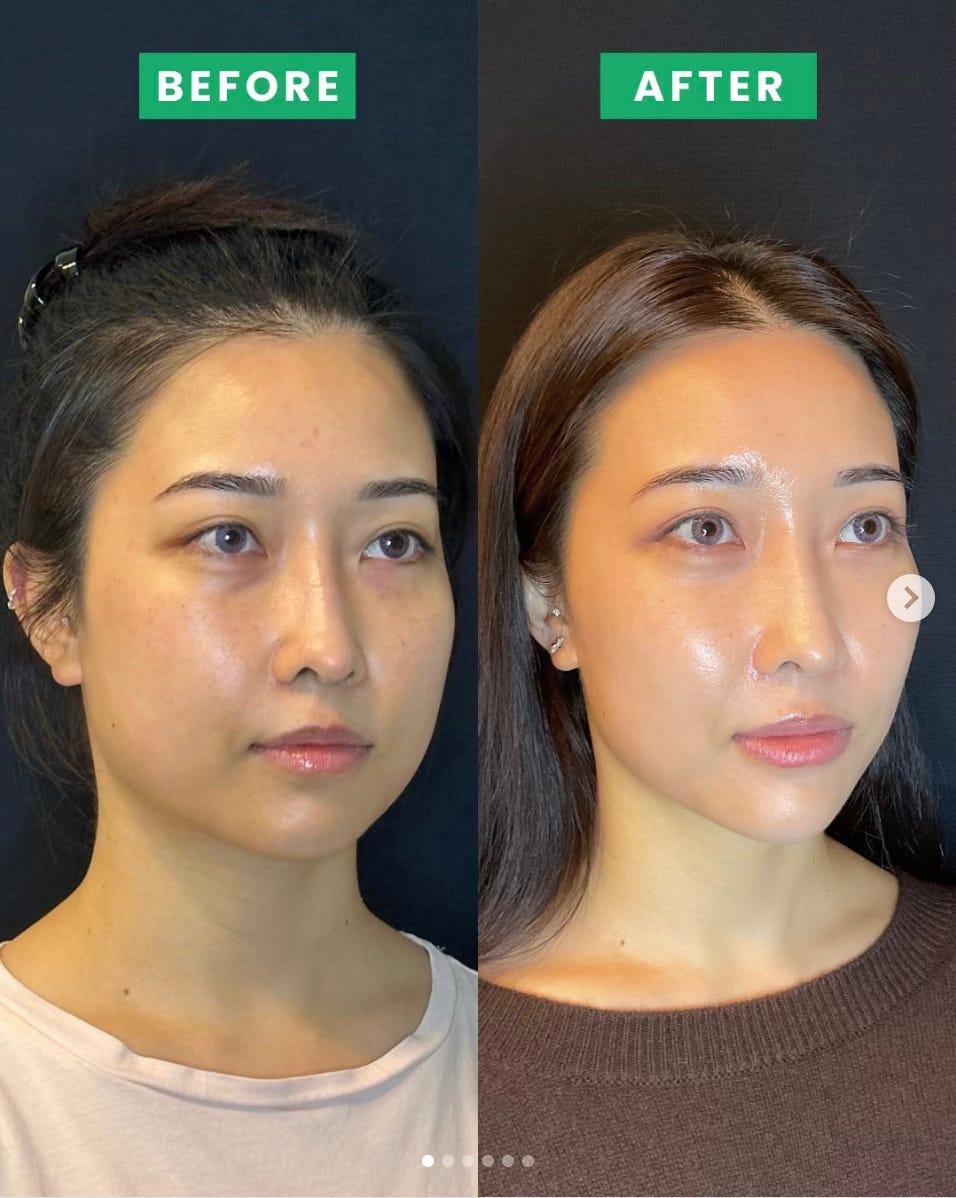
This full facial balancing treatment is seared into my brain and I should probably bookmark it at this point. Six months of treatment, small amounts of product, and I genuinely cannot tell from the images alone what was done. The face is rested, restored, REFRESHED.
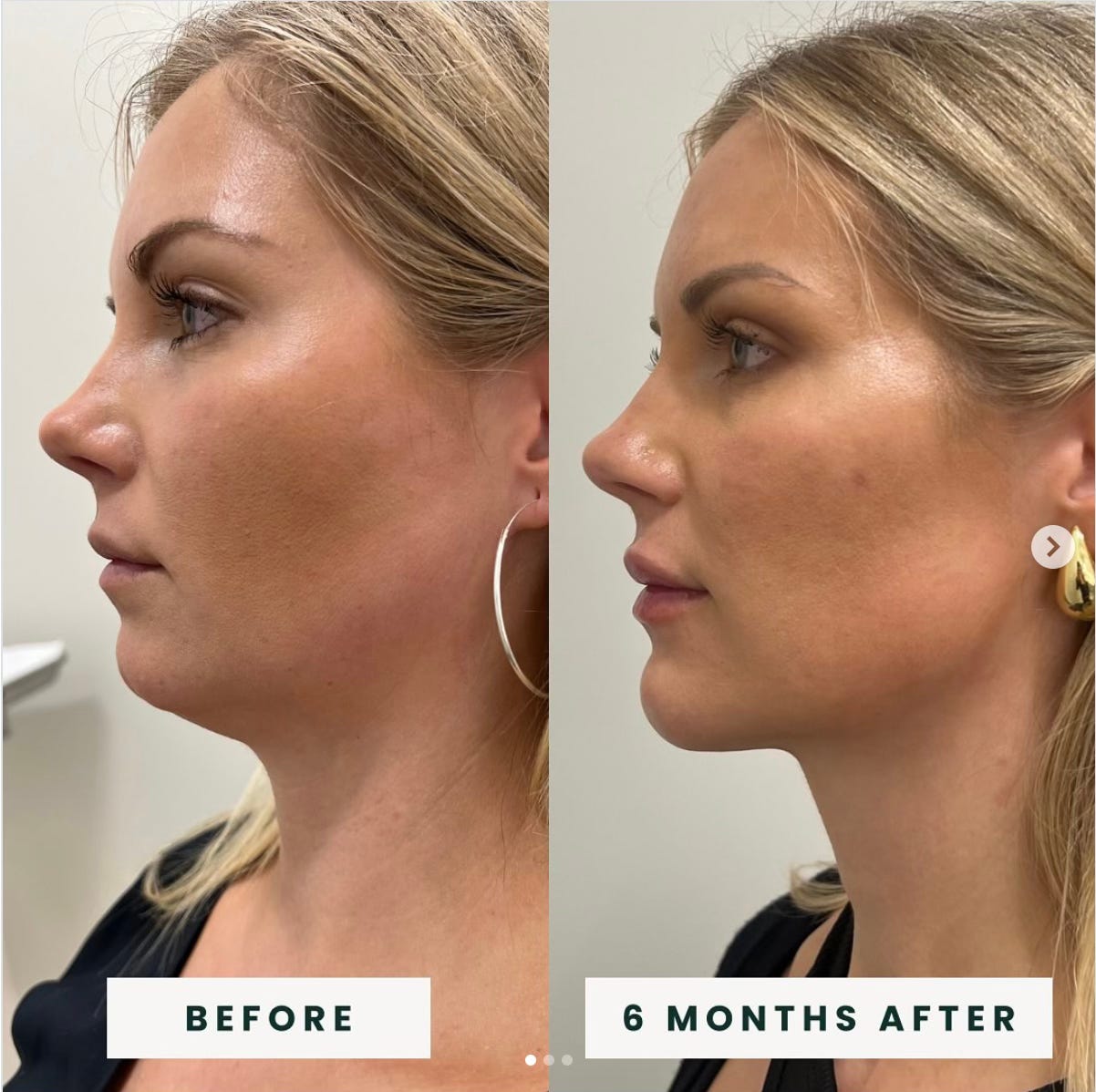
What stands out to me here isn’t the lips — it’s the chin and jawline. Three different areas, treated with different products, but one cohesive and beautiful result.
On My Radar
In my own treatment planning, I still ask a lot of questions. I’m very wary of single-area “tweakments” – I want to understand how it will impact the full face and the treatments I might do next (in this decade and in following). But “it’ll look like your feature, ten years ago” is the thing that moved me from curious to getting the injectable.
Here’s what’s on my radar next:
Providers have recommended biostimulators like Sculptra to me – it can give you that subtle volume and lift by naturally replenishing collagen. I’m keen on researching some of the next-gen options, especially out of Korea
Facial injectables that focus more on skin quality instead of volume are also appealing. Rejuran (which is a PDRN injection) is the most famous, also out of Korea. Not available at many trusted providers in the US so microneedling with PDRN will be my first stop
Since skin quality is everything, I’m maintaining my energy-based treatments and combining with regenerative therapies where I can
And just for fun, here’s how AI divides my own face into thirds:
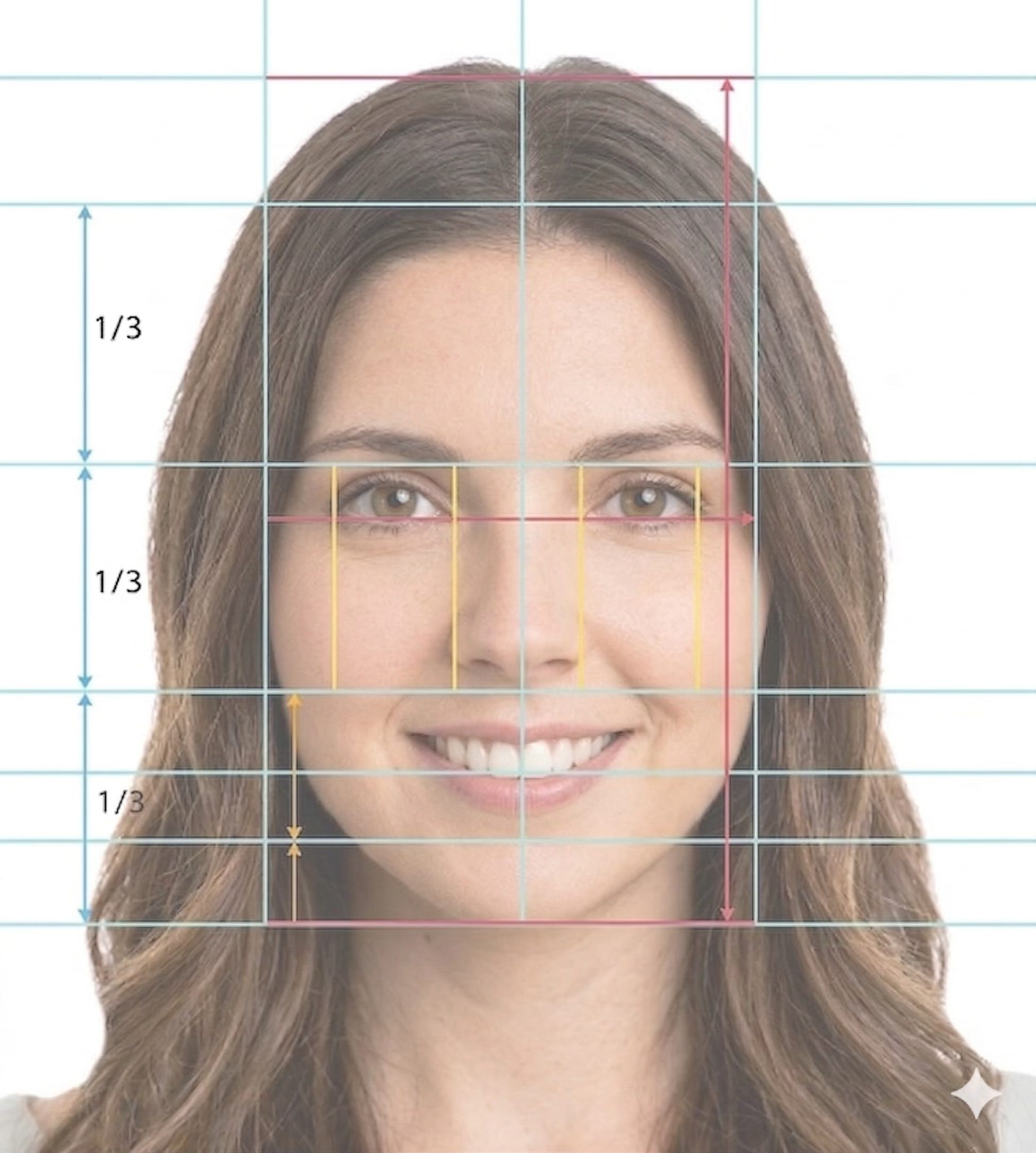
Artists learn this typical facial proportion when learning human anatomy for drawing (1/3 of the face from the hairline to the brow bone, 1/3 between the brow bone and the bottom of the nose and 1/3 from bottom of the nose to bottom of chin). It helps to quickly map out facial features in proportion to each other. Totally see why this would be a useful tool in understanding your own facial proportions and how to best balance and support them! Sometimes it can be difficult to pinpoint what makes a face unique.